Harnessing Nature: Essential Oils for Everyday Health
Updated: 4 days ago
In a world increasingly dominated by synthetic products and processed solutions, the allure of natural remedies is stronger than ever. Essential oils, derived from plants, have been used for centuries for their therapeutic properties. These concentrated extracts not only offer delightful fragrances but also provide a myriad of health benefits. Whether you're looking to boost your mood, alleviate stress, or support your immune system, essential oils can play a vital role in your everyday health routine.
Understanding Essential Oils
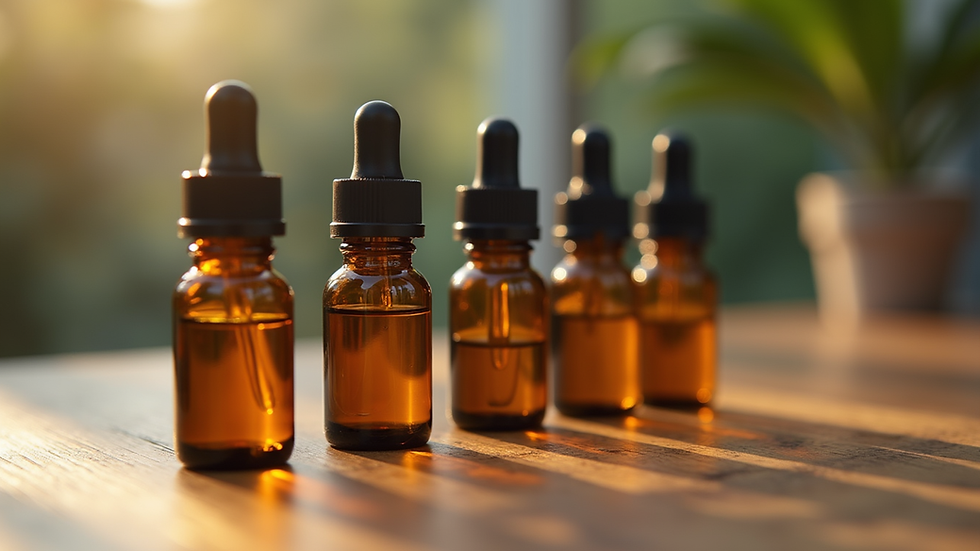
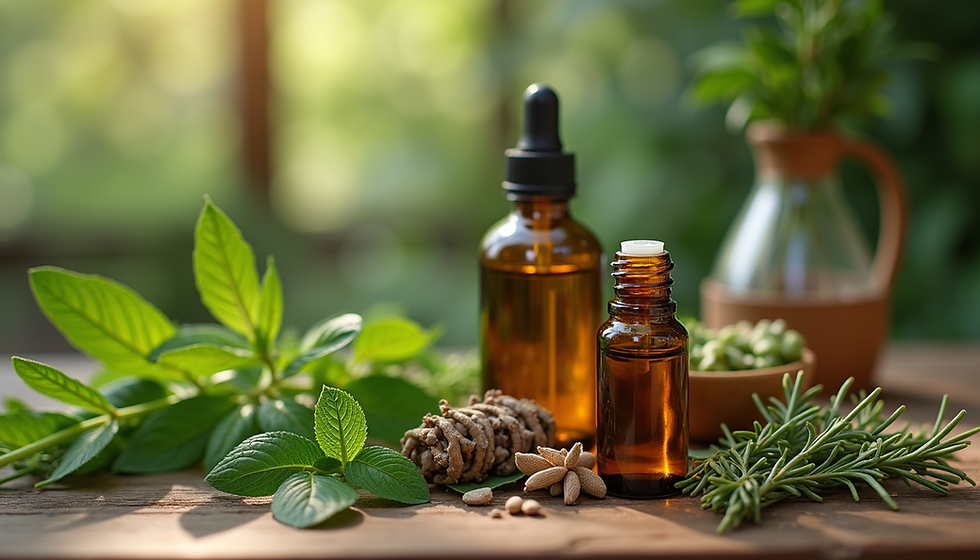
Essential oils are volatile compounds extracted from various parts of plants, including leaves, flowers, stems, and roots. The extraction methods vary, with steam distillation and cold pressing being the most common. Each oil carries its unique scent and therapeutic properties, making them versatile tools for health and wellness.
The Science Behind Essential Oils
The therapeutic effects of essential oils are attributed to their chemical composition. Each oil contains a unique blend of compounds that can interact with the body in various ways. For instance, lavender oil is known for its calming effects, while peppermint oil can invigorate and energize. Research has shown that inhaling essential oils can stimulate the limbic system, the part of the brain that controls emotions and memories.
Common Extraction Methods
Steam Distillation: This is the most common method, where steam is passed through plant material to extract the oils.
Cold Pressing: Primarily used for citrus oils, this method involves mechanically pressing the peels to release the oils.
Solvent Extraction: This method uses solvents to extract oils from delicate flowers that cannot withstand heat.
Benefits of Essential Oils
Essential oils offer a wide range of health benefits, making them a valuable addition to your daily routine. Here are some of the most notable advantages:
Stress Relief and Relaxation
Many essential oils are renowned for their calming properties. Oils like lavender, chamomile, and bergamot can help reduce anxiety and promote relaxation. Incorporating these oils into your evening routine can create a soothing atmosphere, making it easier to unwind after a long day.
Immune System Support
Essential oils such as tea tree, eucalyptus, and oregano have antimicrobial properties that can help support the immune system. Diffusing these oils during cold and flu season can help purify the air and reduce the spread of germs.
Improved Sleep Quality
Struggling with sleep? Essential oils can help. Lavender oil, in particular, has been shown to improve sleep quality and reduce insomnia. Adding a few drops to your pillow or using a diffuser in your bedroom can create a calming environment conducive to restful sleep.
Enhanced Focus and Concentration
Certain essential oils can boost cognitive function and improve focus. Peppermint and rosemary oils are excellent choices for enhancing mental clarity and concentration. Try diffusing these oils while working or studying to stay alert and engaged.
Skin Care Benefits
Many essential oils possess properties that can benefit the skin. For example, tea tree oil is known for its acne-fighting abilities, while frankincense can help reduce the appearance of scars and wrinkles. Always dilute essential oils with a carrier oil before applying them to the skin to avoid irritation.
How to Use Essential Oils
There are several ways to incorporate essential oils into your daily routine. Here are some popular methods:
Diffusion
Using an essential oil diffuser is one of the easiest ways to enjoy the benefits of essential oils. Simply add water and a few drops of your chosen oil to the diffuser, and let the aroma fill your space. This method is great for creating a calming atmosphere or energizing your environment.
Topical Application
Essential oils can be applied directly to the skin when diluted with a carrier oil, such as coconut or jojoba oil. This method is effective for targeted relief, such as applying peppermint oil to sore muscles or lavender oil to pulse points for relaxation.
Inhalation
For a quick boost, you can inhale essential oils directly from the bottle or add a few drops to a cotton ball. This method is particularly useful for stress relief or when you need a mental pick-me-up.
Bathing
Adding essential oils to your bath can create a luxurious and therapeutic experience. Combine a few drops of your favorite oil with Epsom salts for a relaxing soak that soothes both body and mind.
Safety Precautions
While essential oils are generally safe when used correctly, it’s essential to take precautions:
Dilution: Always dilute essential oils with a carrier oil before applying them to the skin to prevent irritation.
Patch Test: Conduct a patch test on a small area of skin to check for any allergic reactions.
Consult a Professional: If you are pregnant, nursing, or have underlying health conditions, consult a healthcare professional before using essential oils.
Popular Essential Oils and Their Uses
Here’s a closer look at some popular essential oils and their specific benefits:
Lavender Oil
Benefits: Promotes relaxation, improves sleep quality, and reduces anxiety.
Usage: Diffuse in the evening or apply diluted to pulse points.
Tea Tree Oil
Benefits: Antimicrobial properties, effective against acne and skin infections.
Usage: Apply diluted to affected areas or add to skincare products.
Peppermint Oil
Benefits: Energizing, improves focus, and alleviates headaches.
Usage: Inhale directly or apply diluted to temples for headache relief.
Eucalyptus Oil
Benefits: Supports respiratory health and has antimicrobial properties.
Usage: Diffuse during cold and flu season or add to steam inhalation.
Frankincense Oil
Benefits: Reduces the appearance of scars and promotes emotional balance.
Usage: Apply diluted to the skin or diffuse for a calming effect.
Integrating Essential Oils into Your Daily Routine
Incorporating essential oils into your daily life can be simple and rewarding. Here are some practical tips:
Morning Routine
Start your day with a refreshing blend of peppermint and citrus oils to energize your mind and body. Add a few drops to your shower or diffuse while you prepare for the day.
Work Environment
Keep a small bottle of lavender or rosemary oil at your desk to help maintain focus and reduce stress throughout the workday. A quick inhalation can provide a mental boost when you need it most.
Evening Wind Down
Create a calming evening routine by diffusing lavender or chamomile oil while you unwind. Consider adding a few drops to your bath for a soothing experience.
Family Health
Involve your family in the benefits of essential oils. Teach children about the calming effects of lavender or the immune-boosting properties of tea tree oil. Always ensure that oils are used safely and appropriately for their age.
Conclusion
Essential oils offer a natural and effective way to enhance your everyday health. From promoting relaxation to supporting your immune system, these powerful plant extracts can be easily integrated into your daily routine. As you explore the world of essential oils, remember to prioritize safety and choose high-quality products. Embrace the power of nature and discover how essential oils can transform your health and well-being.
By incorporating essential oils into your life, you not only harness the benefits of nature but also create a more balanced and harmonious environment. Start small, experiment with different oils, and find what works best for you. Your journey to better health can begin with just a few drops of nature's essence.
Comments