Exploring the Miraculous Science of Herbal Remedies
Updated: 4 days ago
Herbal remedies have been a cornerstone of traditional medicine for centuries, offering natural solutions to various health issues. As modern science continues to explore the benefits of these age-old practices, many people are turning to herbal solutions for their health and wellness needs. This blog post delves into the fascinating world of herbal remedies, examining their history, benefits, and how they can be integrated into our daily lives.
The Historical Context of Herbal Remedies
Herbal medicine dates back thousands of years, with roots in ancient civilizations such as China, Egypt, and Greece. These cultures relied on plants for healing, often documenting their findings in texts that are still referenced today.
Ancient Practices
Traditional Chinese Medicine (TCM): TCM utilizes herbs as part of a holistic approach to health. Practitioners believe that balancing the body's energy, or "Qi," is essential for good health. Herbs like ginseng and ginger are staples in TCM for their restorative properties.
Ayurveda: Originating in India, Ayurveda emphasizes the balance of body, mind, and spirit. Herbs such as turmeric and ashwagandha are commonly used to promote wellness and treat various ailments.
The Renaissance of Herbal Medicine
The Renaissance marked a significant shift in the understanding of herbal remedies. Scholars began to document their findings systematically, leading to the establishment of herbalism as a formal practice. This period saw the rise of herbalists and apothecaries, who played a crucial role in healthcare.
The Science Behind Herbal Remedies
Recent scientific studies have begun to validate many traditional uses of herbs. Researchers are uncovering the active compounds in these plants that contribute to their healing properties.
Key Compounds in Herbal Remedies
Alkaloids: Found in plants like poppy and belladonna, alkaloids can have potent effects on the body, often used for pain relief.
Flavonoids: Present in many fruits and vegetables, flavonoids are known for their antioxidant properties, which can help reduce inflammation and support overall health.
Terpenes: These compounds are responsible for the aroma of many plants and have been shown to have various therapeutic effects, including anti-inflammatory and anti-anxiety properties.
Evidence-Based Benefits
Research has shown that certain herbal remedies can effectively treat specific conditions. For example:
Echinacea: Often used to prevent colds, studies suggest that echinacea can reduce the duration and severity of cold symptoms.
Peppermint: Known for its soothing effects, peppermint oil has been shown to relieve digestive issues and headaches.
Popular Herbal Remedies and Their Uses
Incorporating herbal remedies into your daily routine can be simple and beneficial. Here are some popular herbs and their uses:
1. Chamomile
Benefits: Chamomile is well-known for its calming effects. It can help with sleep disorders and digestive issues.
Usage: Brew chamomile tea before bedtime to promote relaxation.
2. Lavender
Benefits: Lavender is often used for its soothing aroma, which can reduce anxiety and improve sleep quality.
Usage: Use lavender essential oil in a diffuser or add dried lavender to your bath for a calming experience.
3. Ginger
Benefits: Ginger is renowned for its anti-inflammatory properties and can help with nausea and digestive discomfort.
Usage: Incorporate fresh ginger into meals or brew ginger tea for digestive support.
4. Turmeric
Benefits: Turmeric contains curcumin, a powerful anti-inflammatory compound. It may help with joint pain and overall inflammation.
Usage: Add turmeric to smoothies, soups, or use it in cooking for its health benefits.
5. Garlic
Benefits: Garlic is known for its immune-boosting properties and may help lower cholesterol levels.
Usage: Incorporate fresh garlic into your meals for both flavor and health benefits.
Integrating Herbal Remedies into Your Life
Adopting herbal remedies into your daily routine can be straightforward. Here are some practical tips:
Start Small
Begin by incorporating one or two herbs into your diet. For example, try adding ginger to your morning smoothie or sipping chamomile tea in the evening.
Educate Yourself
Research the herbs you are interested in. Understanding their benefits and potential side effects is crucial for safe usage.
Consult with Professionals
If you are considering herbal remedies for specific health conditions, consult with a healthcare professional or a qualified herbalist. They can provide guidance tailored to your individual needs.
Experiment with Different Forms
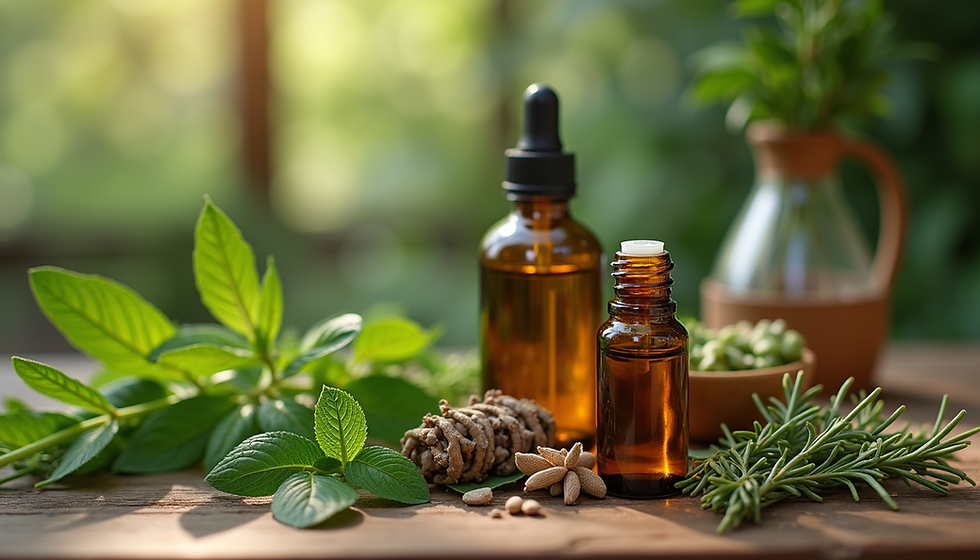
Herbs can be consumed in various forms, including teas, capsules, tinctures, and essential oils. Experiment to find what works best for you.
Safety Considerations
While herbal remedies can be beneficial, they are not without risks. Here are some safety tips:
Know Your Herbs
Not all herbs are safe for everyone. Some may interact with medications or have contraindications for certain health conditions. Always do your research.
Quality Matters
Choose high-quality herbs from reputable sources. Look for products that are organic and free from additives.
Monitor Your Body's Response
Pay attention to how your body reacts to new herbs. If you experience any adverse effects, discontinue use and consult a healthcare professional.
The Future of Herbal Remedies
As interest in natural health solutions grows, the future of herbal remedies looks promising. Ongoing research continues to uncover the potential benefits of various herbs, leading to a greater understanding of their role in modern medicine.
Bridging Traditional and Modern Medicine
The integration of herbal remedies into conventional healthcare practices is becoming more common. Many healthcare providers are recognizing the value of holistic approaches and are open to discussing herbal options with patients.
The Role of Technology
Advancements in technology are also playing a role in the exploration of herbal remedies. From genetic research to innovative extraction methods, scientists are finding new ways to harness the power of plants for health.
Conclusion
Herbal remedies offer a fascinating glimpse into the intersection of tradition and science. With a rich history and a growing body of research supporting their benefits, these natural solutions can play a valuable role in our health and wellness journeys. By incorporating herbs into our daily lives, we can tap into the miraculous potential of nature to support our well-being.
As you explore the world of herbal remedies, remember to approach them with curiosity and care. Whether you are seeking relief from specific ailments or simply looking to enhance your overall health, the power of herbs is waiting to be discovered. Start your journey today and embrace the wonders of herbal medicine.

Comments